6 Things To Consider While Choosing Construction Material



When you accept a construction project, there are several things you need to consider before purchasing construction material. Not every material is ideal for every situation, and these factors can help you save money in the short term and ensure structural stability in the long term.
These factors can range from the type of climate expected in the area to the availability of certain materials and even the immediate cost of procuring what you need. Be aware of what you need to look out for the next time you’re securing supplies for a job site; it can mean the difference between making a profit and working on a money pit.
The Local Climate
The first factor you need to watch out for is the expected local climate, including what the climate looks like currently and what it looks like year-round. You need to be cognizant of how hot and cold the surrounding area gets throughout the year; without consideration, these differences can result in a lot of structural issues. Aside from just the temperature, you need to know the air humidity and whether it’s too wet or too dry for certain building materials.
When you deal with specific temperature and humidity conditions, as may be the case when constructing something in Arizona where it’s hot and dry just about all year, you can invest in specific materials. But if you build somewhere that has a highly variable climate, such as midwestern states with cold winters and hot summers, you need to invest in more adaptable resources. This will ensure the materials have the strength to survive the seasons.
The Material’s Durability
You also need to think about the material’s durability in the short and long term, as this may be impacted by the local climate. For temporary structures, you don’t necessarily have to worry about corrosion, moisture, and other degenerative considerations; the structure may not be around long enough to see the effects of these scenarios.
But buildings such as apartment complexes, commercial storefronts, and warehouses will need to stay around for years and decades to come. Get the suitable resources to guarantee that the structure will last as long as it needs to, whether that’s several weeks or several decades.
Cost
When considering durable materials, the question of cost naturally comes up. Going back to the example above, a temporary structure that’ll only stand for a few weeks is not a project that requires you to go above and beyond with materials. For short-term structures, you can get away with utilizing cheaper materials; but when you deal with long-term structures, the cost of resources starts to increase.
You must invest in stronger, longer-lasting materials, which means spending more to guarantee structural integrity. Know the right situations when you need to spend a little more money to get the results the project demands. Using excessive amounts of money on structures that don’t necessitate the expenditure will only put you in unnecessary debt.
Availability
There are times when the materials you want to use aren’t readily available in your area, which can significantly increase the cost of procurement. For these situations, you need to be aware of suitable replacements and other resources available to you.
While you may want to invest in certain building materials, they may not be available to provide you with what you want. Know what you reasonably have access to and use the best substitute materials possible. This is not an excuse to use cheaper, less durable materials but to find alternatives that will provide similar results.
Level of Maintenance Needed
Construction doesn’t end after the project wraps up and you erect the structure; it continues for the remainder of the building’s life. Maintenance is a constant consideration and something that you must be on top of at all times. As a rule of thumb, higher-quality building materials will require less maintenance over time, and cheaper resources will need constant attention.
Keep in mind the amount of upkeep your materials will need in the future, whether that be in the immediate months following completion or years down the line. Essentially, the more you spend on the material during the construction process, the less you need to spend on maintenance in the future.
Sustainability
In recent decades, the question of sustainability has come up more frequently, becoming something contractors must consider. Using materials that don’t harm the environment is essential in modern construction and is something building owners will want to emphasize during the building process.
While using eco-friendly resources may not be possible for every aspect of the building process, you still need to find ways to implement these materials into your project. Whether you choose earth, fly ash, bamboo, or silica fume, it's best to find a home for these materials somewhere in the process.
Aesthetics
While it’s one of the more superficial considerations when choosing construction materials, it is nonetheless important to keep in mind. You need to know how your materials visually interact with one another and whether they will create a visually appealing scenery.
No one wants to look at a building that clashes with itself; it’ll only serve as an eyesore. Make sure there is some kind of visual harmony among the materials you use, that it’s something that people will enjoy looking at, or, at the very least, will accept how it looks.
Make Sure You Have the Best Materials
When you start a construction project, it’s essential that you have the best possible materials for the job. Heading into a job without a reliable supply of building resources will only lead to significant slowdowns, time loss, and a lack of productivity.
That’s why it’s essential to partner with a construction materials distributor to make sure you have everything you need. Having a business partner that can supply you with what you need will cut down on costs and reduce construction time across the board. Know what to consider, be aware of what you need, and make sure you have immediate access to your materials through a reliable distributor.

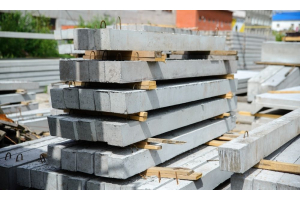
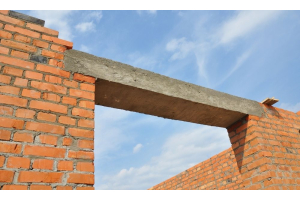
When you have openings in a structure, such as windows, doorways, or fireplaces, it’s essential that you make sure those openings can support the weight above them. In cases like these, where you need to guarantee structural stability, you must employ lintels and headers.