How To Determine What Type of Fastener Is Right for the Job


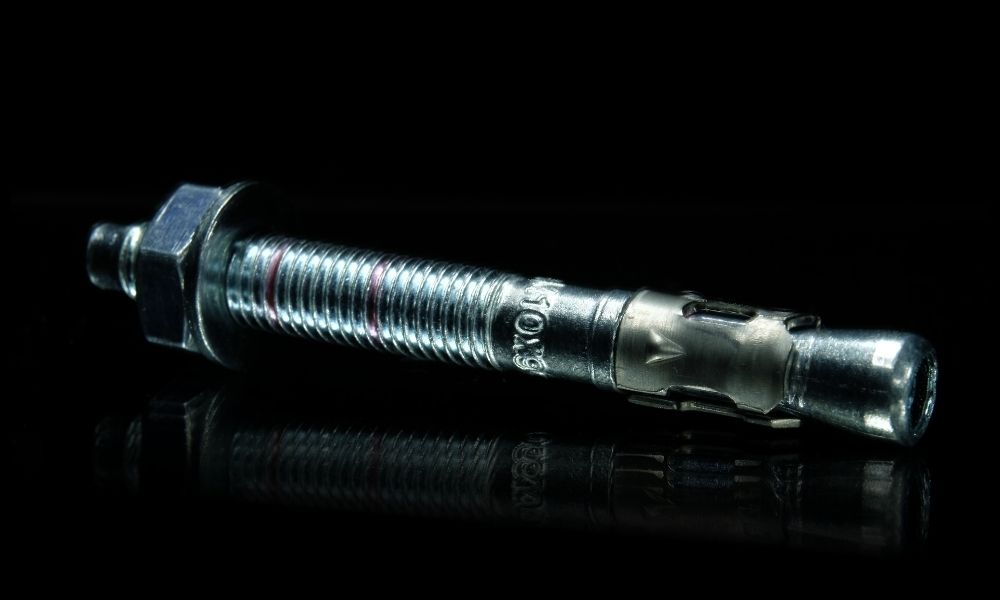
But when contractors deal with so many different materials, whether it be wood, metal, plastic, etc., they need to be aware of the different fasteners for the job. To form the strongest and most durable connection, contractors must be aware of how to determine what type of fastener is right for the job.
Using a fastener that’s inadequate can lead to significant structural compromises, weakening the overall structure and risking failure. Know what fasteners are available to you, their different materials, and their ideal applications.
What, Exactly, Is a Fastener?
Let’s briefly touch on what specifically these fasteners are and where they generally find use. Fasteners are tools that contractors utilize to mechanically adhere two separate objects together, keeping them tightly and securely connected to one another.
Generally, most fasteners are nonpermanent, meaning that contractors can assemble them and take them apart when needed. An example of a nonpermanent fastener is pulling out a nail from a surface.
But other fasteners are permanent, meaning that contractors, once they connect the two pieces, cannot take them apart without fundamentally destroying the structure. An example of a permanent fastener would be a rivet; a contractor can’t take out a rivet without extensive procedures that will potentially weaken or destroy the structure.
The Different Types of Fasteners You Must Consider
As mentioned, there are many different types of fasteners contractors must be aware of, and each of them can play a crucial part when building structures. Know the different types of fasteners for different projects so that you don’t run into any complications during the construction process.
Bolts
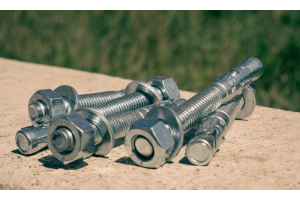
Bolts, one of the most common fasteners contractors run into, generally come in steel, aluminum, and sometimes plastic. These materials make bolts corrosion resistant, so they last longer than many other methods of connection. Along with their elevated corrosion resistance, bolts are also some of the easiest to install and uninstall. This allows for quick construction as well as quick alterations if the need arises.
Nuts
Nuts share most of the benefits of bolts, lending themselves well to general use due to easy installation and removal. Utilizing the same material as bolts, they are highly resistant to corrosion and do not need special heat treatment for installation.
Washers
Washers often work in tandem with nuts and bolts, providing greater durability when holding structures together. They help with distributing the pressure over a greater surface area, taking much of the stress off a single, concentrated point.
Screws
As another common fastener, screws offer easy installation and removal. With their spiral design, they make for strong connections that don’t easily pull apart, unlike nails, which have a smooth surface.
Rivets
Used with steel structures, rivets are one of the most durable connections a contractor can install. They provide a great degree of flexibility when it comes to design and can sustain pressure far greater than nuts, bolts, and screws. The only consideration that may come as a downside to some is that they are the aforementioned permanent fasteners. If you implement them into your design, there is no easy way to remove them if you need to adapt your construction.
What Kind of Material Are You Dealing With?
As mentioned, some of the most common materials for fasteners include steel, aluminum, and plastic, but there are more than that to consider for individual projects. It’s important to keep in mind what other materials exist to help you during your construction projects, as each material has different advantages and potential challenges.
Steel
The most common material on the market, steel offers excellent durability and tensile strength and is often one of the most affordable materials.
Aluminum
Softer and less durable than steel, aluminum provides greater corrosion resistance and is lighter in weight compared to steel.
Bronze
While bronze is more expensive than steel, it is also significantly more corrosion resistant, especially when it comes to marine environments.
Brass
One of the softest metals available, weaker than steel and bronze, brass is highly resistant to corrosion.
Where Are You Using the Fastener?
This is one of the most important questions to ask yourself. You need to understand where you must use your selected fastener. For indoor environments, where the conditions are largely mild, you don’t need to invest in the strongest, most durable materials in the industry. But when working next to water sources, plumbing works, or damp environments, that will be some of the most significant conditions to account for.
But when building exterior structures, you need to understand the general climate and weather that your materials need to put up with. Adapt your building processes and always utilize the best fasteners for the environment; steel is the most widely available material but may not necessarily be the best fit for certain environmental conditions.
While brass may be weaker than steel, it may be the exact material you need for your project. Not every situation calls for the strongest materials; you may find that you need to sacrifice strength for special resistances to perform an optimal job. Know what you can get away with, and always double-check your work, making sure you do have the necessary materials for a quality job.
Avoid Cutting Corners at All Times
Always take the time to make sure you have the best materials for your job, whether that be ensuring a durable connection or strong environmental protection. Cutting corners and speeding through work without proper consideration of materials has a higher chance of leading to complications and structural failures.
If you consistently find yourself and your workers without the proper materials for the job, consider partnering with an anchor bolt supplier to get the equipment you need for quality construction. Use your knowledge of the different types of fasteners, as well as the general conditions of your work area, to find the best tools to create the most durable structure possible.
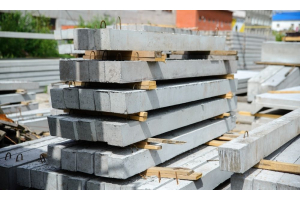
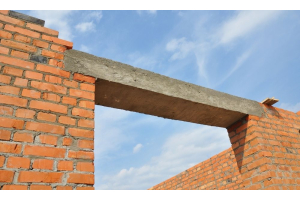
When you have openings in a structure, such as windows, doorways, or fireplaces, it’s essential that you make sure those openings can support the weight above them. In cases like these, where you need to guarantee structural stability, you must employ lintels and headers.